
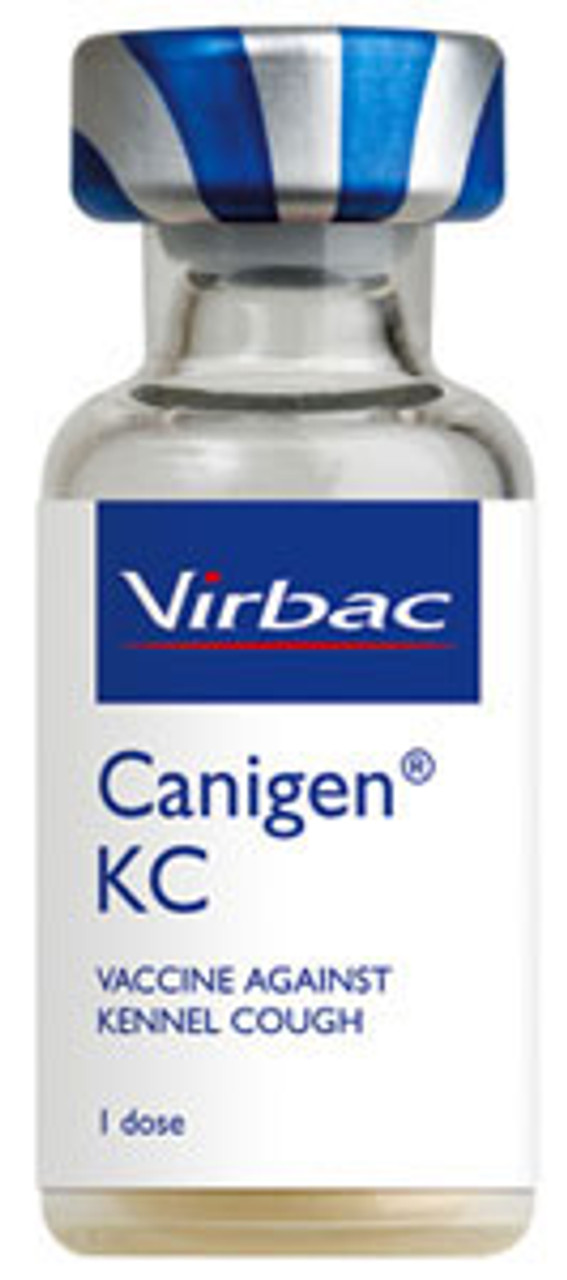
Canigen KC (5 x 1 dose)
Uses
Active immunisation of dogs against Bordetella bronchiseptica and canine parainfluenza virus for periods of increased risk; to reduce clinical signs induced by B. bronchiseptica and canine parainfluenza virus and to reduce shedding of canine parainfluenza virus. Reduction of shedding of B. bronchiseptica has been shown from 3 months after vaccination.
Shipping charges mainland GB zone1
| Value | Weight | Delivery Charge |
| Over £49.00 | Any Weight | FREE |
| Under £49.00 | No weight limit | £4.50 |
| Under £49.00 | Under 250 grams | £3.49 |
Most orders are despatched the same day and standard delivery is 3 to 5 working days from despatch. FAST Expedited options are available at extra cost - these usually arrive in 24-48hrs from dispatch but delays are possible during busy periods.
Postcodes outside of Zone 1 (including some areas within mainland UK) may incur extra carriage charges due to surcharges imposed by the couriers. These will be calculated on the website at the checkout.
NB: Orders placed with faster delivery must be placed before 13:00 to ensure same day dispatch (excluding weekends and bank holidays). Please also check on the product page that the items ordered show 'In Stock' otherwise your order will be delayed until the stock becomes available, which in most cases will only be 24hrs.
Estimated "Usually shipped in" information is shown against most products
Overseas orders
We no longer send goods outside of the UK.
Prescription Items
Prescription items will be sent on receipt of a legally valid signed and dated prescription.
Pick up
We offer a pickup service for orders placed over the phone.
Please ring us on 01833 641112 for more information.
Refrigerated Items
- Refrigerated lines Packaging Cost: Despatched with Woolcool Refrigerated Packaging for £7.50.
- Receipt Required: Someone must be available to receive the delivery. Woolcool packaging is designed for temperature-controlled goods, so parcels cannot be left unattended.
- Immediate Refrigeration: Upon receipt, refrigerate the contents immediately to ensure your food or medicine remains at the correct temperature.
- Failed Delivery Attempts: We are not responsible for the cost of replacements if a delivery attempt fails due to the absence of someone to receive it.
We want you to be completely satisfied with any purchase. If not any item* can be returned to us within 14 days of receipt for exchange or refund Please give us a ring for a returns number on 01833 641112 or alternatively email sales@hyperdrug.co.uk to obtain a returns number.
*Due to legal requirements medicines may not be returned except to correct an error in despatch or in response to an "official recall". If an item is believed to be faulty it should be returned for inspection and it may be necessary to forward it to the manufacturers for testing before replacements or refunds can be authorised. This does not infringe legal rights. Please contact our customer services for a "Returns Number" which must appear on the outside of the package or it will not be accepted. We advise customers to use an insured method of shipping and to retain proof of despatch. We may refuse returns on products specially obtained or manufactured to order. Items must be returned unsoiled and unused and sent adequately packed and carriage paid.